
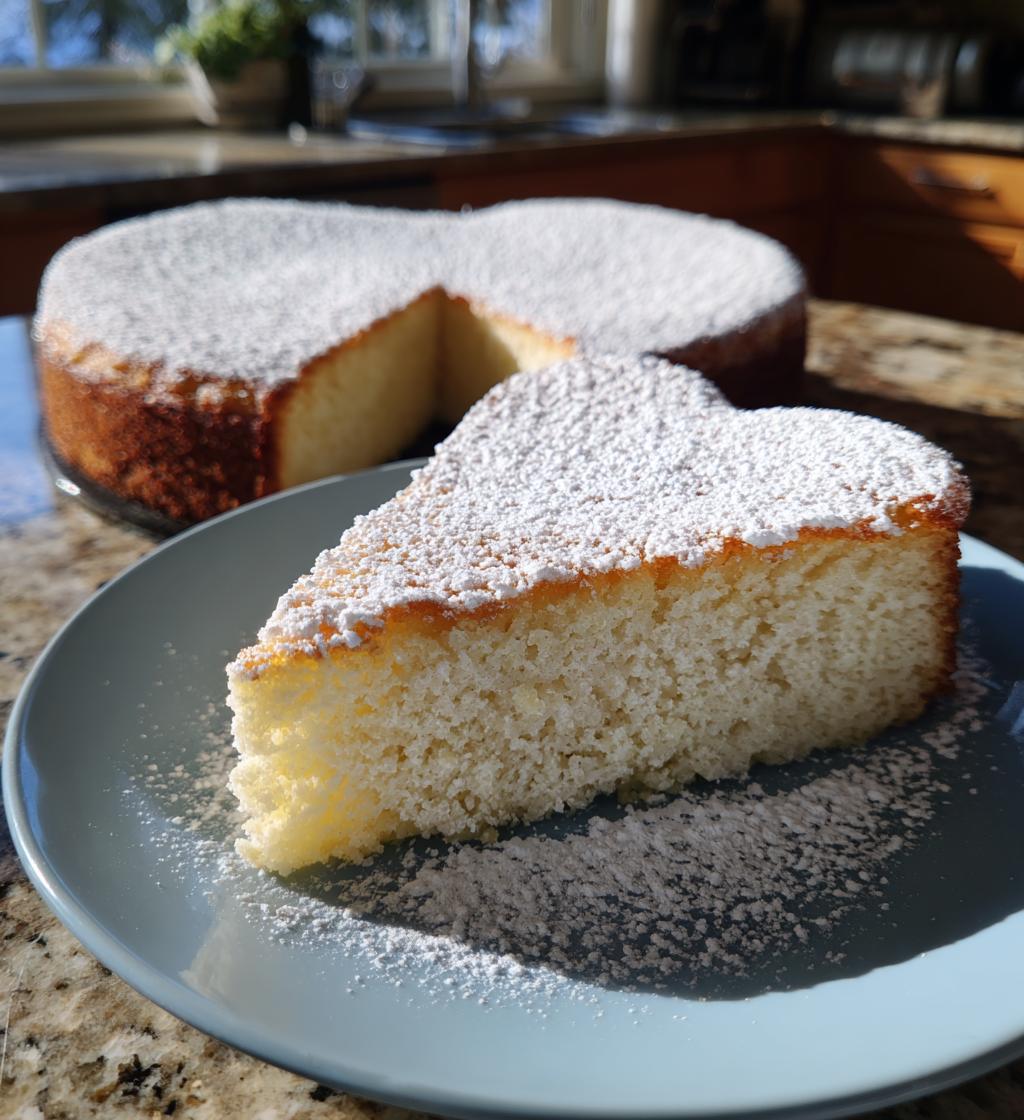
Oh my gosh, have you ever just stood in front of the Venus de Milo at the Louvre and felt your jaw drop? I still remember the first time I saw her—that graceful twist of her torso, the way the folds of her robe drape just so. She’s missing her arms, sure, but somehow that just makes her more mesmerizing! Carving your own version of this ancient Greek goddess is like stepping into the shoes of those old master sculptors. Trust me, when you finally see your marble take shape into Aphrodite’s timeless curves, you’ll feel like you’ve touched history. It’s messy work with all that marble dust, but so worth it when you step back and see your own little piece of art history shining back at you.
Ingredients
(Psst—don’t worry, you don’t need a Greek island to find these! Just your local art supply store.)
- Marble block – 1 big, beautiful slab (about 3 feet tall if you’re going life-sized!)
- Chisel set – You’ll want a variety—pointy ones for rough shaping, flat ones for smoothing
- Hammer – Just a basic sculptor’s mallet, nothing fancy
- Sanding tools – Start coarse, finish with the super fine-grit paper
- Polishing cloth – For that final “glow like she’s been kissed by Mediterranean sun” shine
Pro tip from my messy experience: Grab an old bedsheet to catch marble dust—it gets EVERYWHERE!
How to Prepare the Venus de Milo
Okay, let’s get our hands dusty! I won’t lie—carving marble is a workout, but seeing Aphrodite emerge from that stone is pure magic. Here’s how I do it (with plenty of coffee breaks in between!):
- Pick your marble like you’re choosing a diamond – Hold it up to the light and look for even color with no cracks. Pro tip: Parian marble gives that creamy glow just like the original!
- Sketch like Michelangelo – Use charcoal to draw her outline from every angle. That hip twist? Crucial! I tape photos to my workspace for reference.
- Rough carve with wild abandon – Start with your pointiest chisel to remove big chunks (wear goggles—marble chips fly!). This part takes about 15 hours—put on a good podcast!
- Switch to flat chisels for details – Those delicate robe folds take patience. I work top-down so dust falls away from finished areas.
- Smooth like you’re petting a cat – Start with 60-grit sandpaper (elbow grease time!), working up to 600-grit for that silky feel.
- Polish until you see your reflection – Buff with a soft cloth and marble powder. When her shoulders start glowing, you’ll tear up—promise!
Timing secret: Work in 2-hour bursts to keep your arms from turning to jelly. And don’t panic if you chip something—Venus lost her arms and still became iconic!
Why You’ll Love This Venus de Milo Recipe
Listen, I know carving marble sounds intense, but once you start, you’ll be hooked! Here’s why this project is absolutely worth the marble dust in your hair:
- History in your hands – You’re not just carving—you’re connecting with ancient artists who worshipped beauty just like us!
- No arms, no problem – The missing limbs make this the PERFECT beginner sculpture (less parts to mess up, am I right?).
- Instant heirloom – Imagine your grandkids gasping, “YOU made that?!” when they see it on your mantel.
- Meditation in marble – There’s something magical about losing hours to the rhythm of chisel taps.
- Bragging rights forever – “Oh this old thing? Just my homemade Aphrodite…” *casual hair flip*
- Surprisingly therapeutic – Nothing relieves stress like whacking marble (safely, with goggles on!).
- Customizable beauty – Want her to smirk? Add a dimple! It’s YOUR Venus after all.
Trust me, when that first sunbeam hits your finished goddess, you’ll feel like Pygmalion falling in love with Galatea. Minus the weird mythology bits!
Equipment List
Alright, let’s talk tools! You don’t need a fancy studio—just these trusty basics to bring your Venus to life:
- Chisels – Get a set with at least 3 sizes (I use 6mm for details, 12mm for shaping, and 25mm for rough cuts)
- Hammer – A 1-pound sculptor’s mallet with a wooden head (metal dents your tools!)
- Sanding tools – Assorted grits from 60 (for shaping) to 600 (for that baby-smooth finish)
- Polishing cloth – Microfiber works wonders, but an old t-shirt does in a pinch
Bonus: Knee pads! You’ll thank me after hour three of crouching over your masterpiece.
Tips for Success
Alright, let me share the hard-earned wisdom from my marble-covered mistakes! Here’s how to keep your Venus looking divine instead of, well, a melted snowman:
- Patience is your chisel’s best friend – Seriously, rushing leads to chips. Take breaks when your hands cramp!
- Sharp tools save tears – Dull chisels slip (ask my thumb’s tiny scar). Use a whetstone often.
- Work top-down like rain – Gravity’s your ally—dust won’t mess up finished sections below.
- Lighting is everything – Angle a lamp to catch shadows in the folds—you’ll spot uneven areas instantly.
- Embrace the “ugly phase” – Around hour 20, she’ll look like a potato. Keep going—magic happens after hour 30!
- Wet sand for less dust – Dip sandpaper in water occasionally; your lungs will thank you.
- Step back often – What looks off from inches away usually looks right from across the room.
When in doubt, channel ancient Greeks—they didn’t have YouTube tutorials either, and look what they created!
Variations
Who says your Venus has to be traditional? Here are some fun twists to make her uniquely yours:
- Modern Minimalist – Smooth out all details for a sleek, abstract look (way faster to carve too!)
- Glow-Up Venus – Mix marble powder with glow-in-the-dark paint for an ethereal nightlight effect
- Mosaic Goddess – Inlay colorful glass or ceramic pieces into the robe for a Byzantine vibe
- Seasonal Aphrodite – Wrap her in fairy lights for winter, fresh ivy for spring—change with the seasons!
- Petite Venus – Scale down to a 12-inch version using alabaster for a desk-sized masterpiece
My personal favorite? Carve a little phone in her missing hand—Aphrodite taking a selfie!
Serving Suggestions
Now that your Venus is glistening like she just rose from the sea, let’s show her off right! Pop her on a pedestal (even an overturned plant pot works) near a window—natural light makes that marble glow. For extra drama, spotlight her at night like she’s the Louvre’s star attraction. Dust weekly with a soft brush—no harsh cleaners, just gentle love to keep her looking divine for centuries to come!
Storage & Reheating Instructions
Okay, listen—your Venus isn’t leftovers, but she still needs TLC! Keep her away from direct sunlight (marble fades like bad dye job) and damp spots (hello, moldy goddess). A glass display case is ideal, but a bookshelf away from elbows and coffee cups works too. Dust her gently with a makeup brush—yes, really—it’s perfect for those delicate curves. And whatever you do, don’t try to microwave her. (Learned that one the hard way—kidding!)
Nutritional Information
Okay, let’s be real—this is marble, not moussaka! Zero calories, zero carbs, just 100% pure artistic indulgence. (But maybe snack while you carve—all that chiseling works up an appetite!)
FAQs
How long does it take to carve the Venus de Milo?
Honestly? Buckle up for about 40 hours of chiseling bliss. But don’t panic—I break it into cozy 2-hour sessions with tea breaks. The original sculptors probably took months, so we’re cheating with modern tools!
What type of marble is best?
Parian marble gives that creamy glow just like the ancient Greeks used, but Carrara works beautifully too (and is easier to find). Avoid anything too grainy—you want that smooth, luminous finish!
Can I use softer stone?
Totally! Alabaster is dreamy for beginners—softer than marble but still gorgeous. Just know it won’t have quite the same luminous quality.
Do I need to be an artist?
Nope! The beauty of Venus is her simplicity. Trace her outline from photos if freehand sketching scares you. My first attempt looked like a melting candle, and look at me now!
How do I fix mistakes?
Marble glue is your secret weapon for chips. For small oops moments? Call them “artistic interpretations”—the original’s missing arms, remember?
Can kids try this?
Absolutely, with supervision! Use softer soapstone and plastic tools for mini sculptors. Nothing cuter than a 5-year-old’s chubby Venus!
Where should I display my finished Venus?
Anywhere light dances across her curves! Entryway tables, garden nooks, even your bathroom (she IS the goddess of beauty, after all).

carve your perfect Venus de Milo in just 40 glorious hours
- Total Time: 42 hours
- Yield: 1 statue
- Diet: Vegetarian
Description
The Venus de Milo is an ancient Greek statue and one of the most famous works of ancient sculpture. It depicts Aphrodite, the Greek goddess of love and beauty, and is known for its missing arms.
Ingredients
- Marble – 1 block
- Chisel – 1 set
- Hammer – 1
- Sanding tools – 1 set
- Polishing cloth – 1
Instructions
- Select a high-quality marble block.
- Sketch the outline of the Venus de Milo on the marble.
- Use a chisel and hammer to carve the basic shape.
- Refine the details with smaller chisels.
- Smooth the surface with sanding tools.
- Polish the statue with a cloth.
Notes
- The Venus de Milo was discovered in 1820 on the island of Milos.
- It is currently displayed at the Louvre Museum in Paris.
- The statue is believed to date back to around 100 BC.
- Prep Time: 2 hours
- Cook Time: 40 hours
- Category: Sculpture
- Method: Hand-carved
- Cuisine: Greek
Nutrition
- Serving Size: 1 statue
- Calories: 0
- Sugar: 0g
- Sodium: 0mg
- Fat: 0g
- Saturated Fat: 0g
- Unsaturated Fat: 0g
- Trans Fat: 0g
- Carbohydrates: 0g
- Fiber: 0g
- Protein: 0g
- Cholesterol: 0mg
Keywords: Venus de Milo, Greek statue, Aphrodite, marble sculpture, ancient art